Gardening Nature
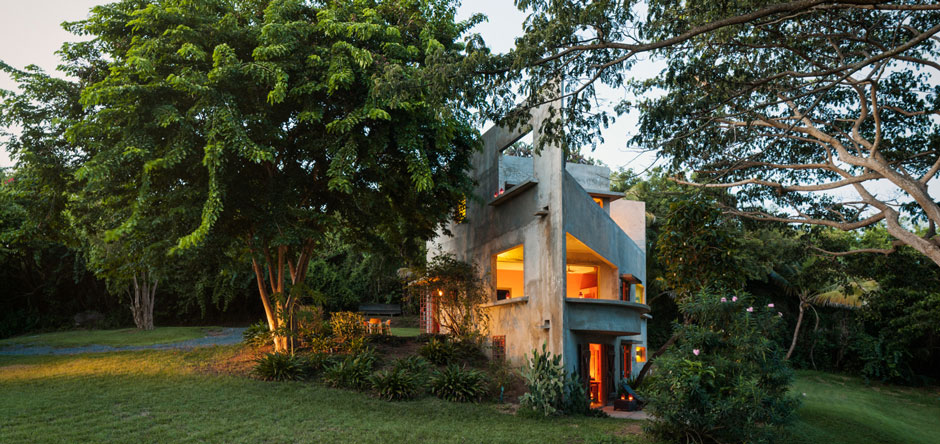
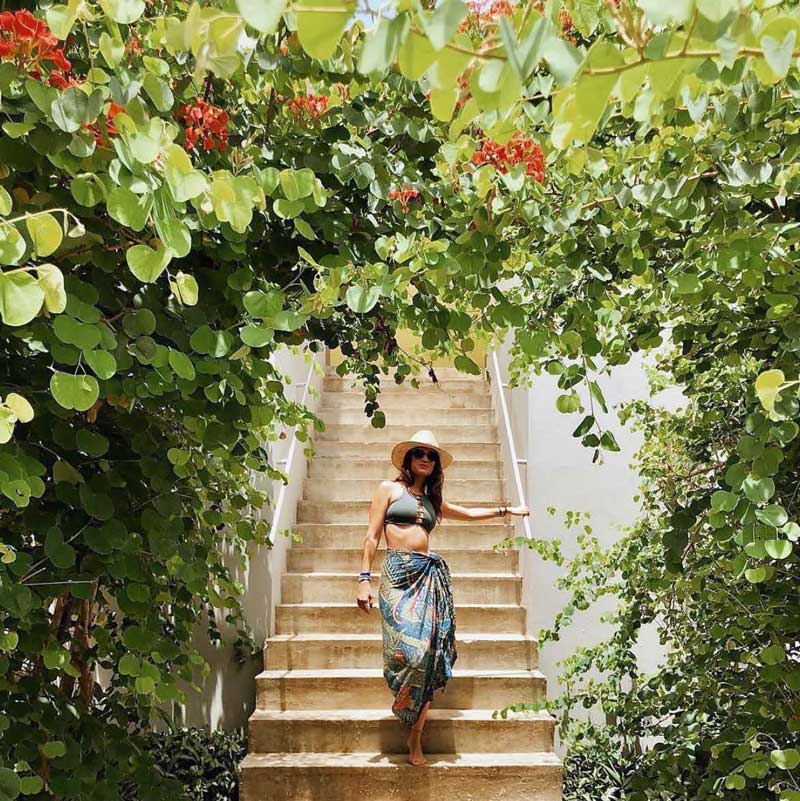
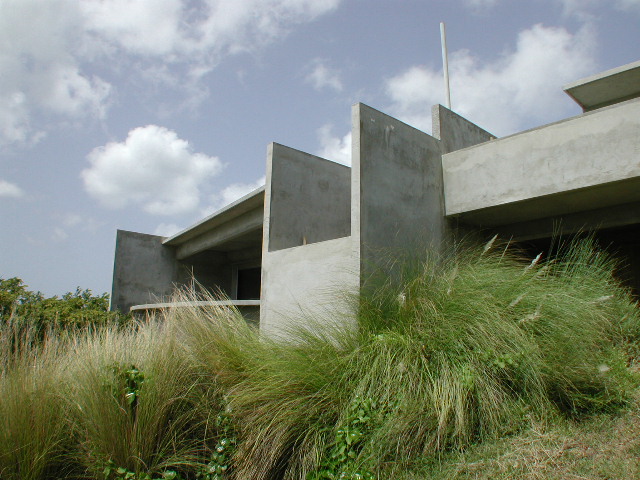
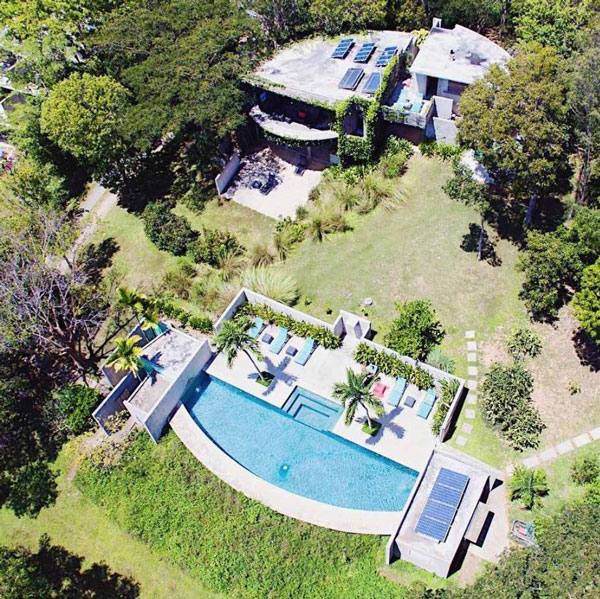
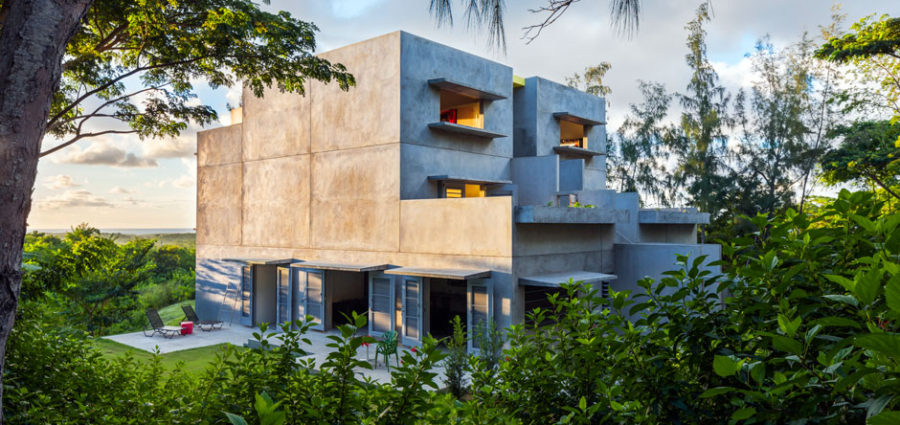
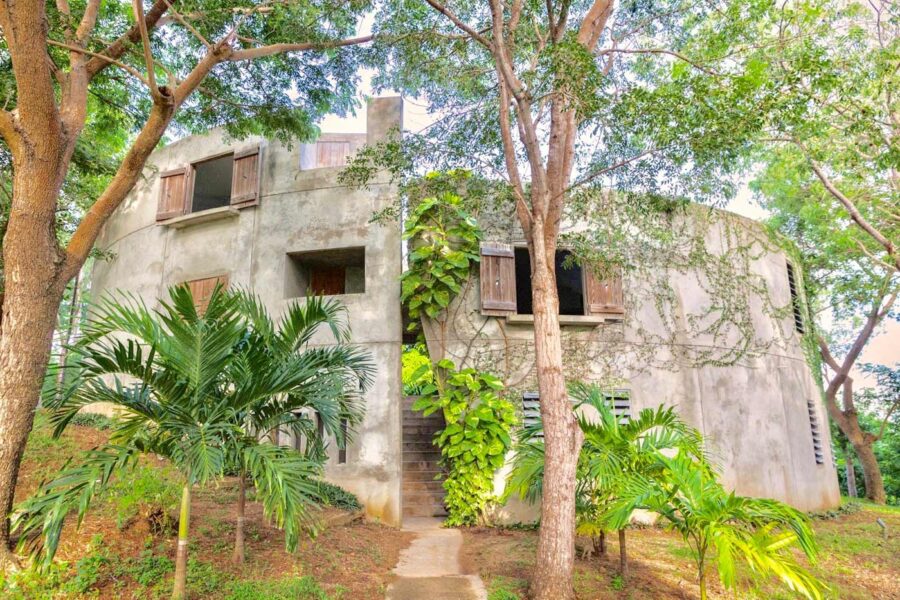
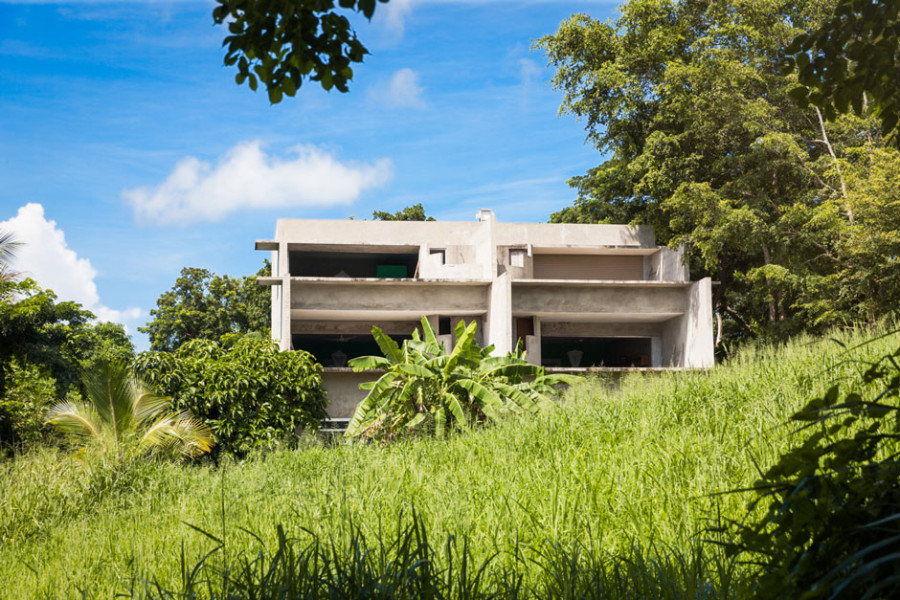
The island of Vieques has a verdant indigenous tropical landscape. When I began creating the guest lofts, after removing years of vines and overgrowth, I was delighted to discover wild grasses and native plants and trees; banana, guava, papaya, lemon, mango, and almond … even large cacti. We augmented these with casuarina whispering pines, mahogany, bamboo, a variety of palms, pomegranate, and star fruit with bougainvillea and heliconia for accent color. We protected the native night blooming jasmine that bestows a wonderful perfume after sunset. As I continue to learn from the island’s species, I am always conscious of how Nature enhances our guests’ experience.